Banditry, Kidnapping, and Terrorism or Genocide
The word “genocide” seems to get our attention and yes, it is high time we all pay attention. The horror from all over Africa as we have seen also in Sudan should wake us up! If we understand what really is happening, then maybe we can play our part in making sure peace happens to all of us.
As you read this, the Northwest of Nigeria particularly states like Zamfara, Katsina, Kebbi, Niger and Sokoto faces an alarming crisis and this cannot be over emphasised. Imagine living in a region gripped by rampant armed banditry, where mass abductions of community members are all too common. With these bandits operating with brazen impunity, their actions, which range from kidnapping for ransom, to cattle rustling, to targeted killings aren’t just headlines; they are daily realities that threaten livelihoods and destroy the economic foundations of entire communities.
Now, consider the frightening connections emerging in this chaos. There’s growing evidence that these criminal groups are establishing ties with established terrorist organizations. Recent reports suggest that Boko Haram has begun to extend its reach into the North-Central region, collaborating with bandit groups. This alliance amplifies the climate of fear around you a reality that weighs heavily on your mind and heart.
The issue of kidnapping for ransom has reached alarming levels, impacting not just civilians but also religious leaders and foreign nationals. In 2025, a new terrorist group, “Lakurawa,” emerged, further complicating the landscape of fear and violence in the Northwest. Each kidnapping is a stark reminder of how vulnerable we all are, coloring your perception of safety and well-being.
But the violence doesn’t stop there. In the Southeast, you witness the rise of separatist violence, including targeted killings and assaults on government infrastructure. This turmoil creates a pervasive atmosphere of fear and instability, adding layers upon layers of complexity to Nigeria’s security situation. It leaves you wondering: how do we navigate a future weighed down by such uncertainty?
Moreover, in the North-Central region, farmer-herder conflicts persist, driven by land disputes complicated by environmental challenges and the infiltration of new armed groups. These tensions threaten the very fabric of your community, forcing peaceful neighbors into conflict, which only serves to deepen existing divides.
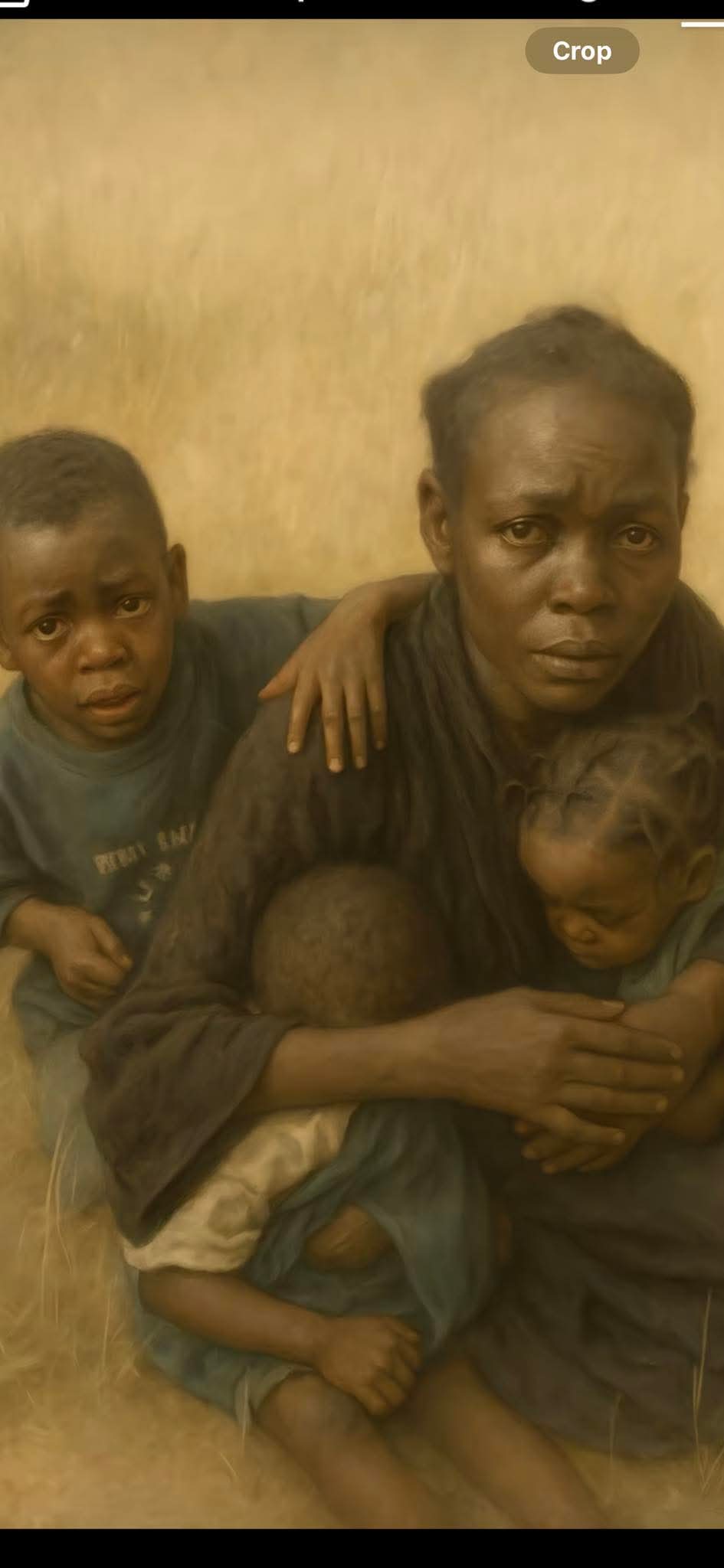
At the heart of these crises are profound social and economic issues. Pervasive poverty, a lack of educational opportunities, and diminishing trust in government institutions create fertile ground for extremism to flourish. As you survey the landscape, perhaps you feel the weight of these problems—that they are not just statistical data but the lived experiences of men, women, and children around you. The impact is staggering: girls miss school to avoid kidnappers, boys become targets for recruitment by extremist groups, and families struggle under the burden of loss and fear.
In a continent where crises such as those in Sudan might draw attention, Nigeria seems to top the list for terrorism, exacerbating the challenges you face daily. This comparison serves to highlight a troubling truth: the need for urgent collective action. It’s more than just a call to observe; it’s a call to engage, to advocate for solutions that can bring peace to your community.
You have the power to be part of the change. Whether through community engagement, raising awareness, or advocating for policy changes, every action matters. Stand together with your neighbors, share your stories, and amplify voices that seek solutions over conflict. Only through unity and purpose can you hope to reclaim safety and stability in your communities, allowing future generations to thrive in an environment free from fear. The time to act is now—together, you can build a Nigeria that is safe, equitable, and hopeful for all.